
Why Everything Feels More Expensive Right Now — And How It Impacts Housing
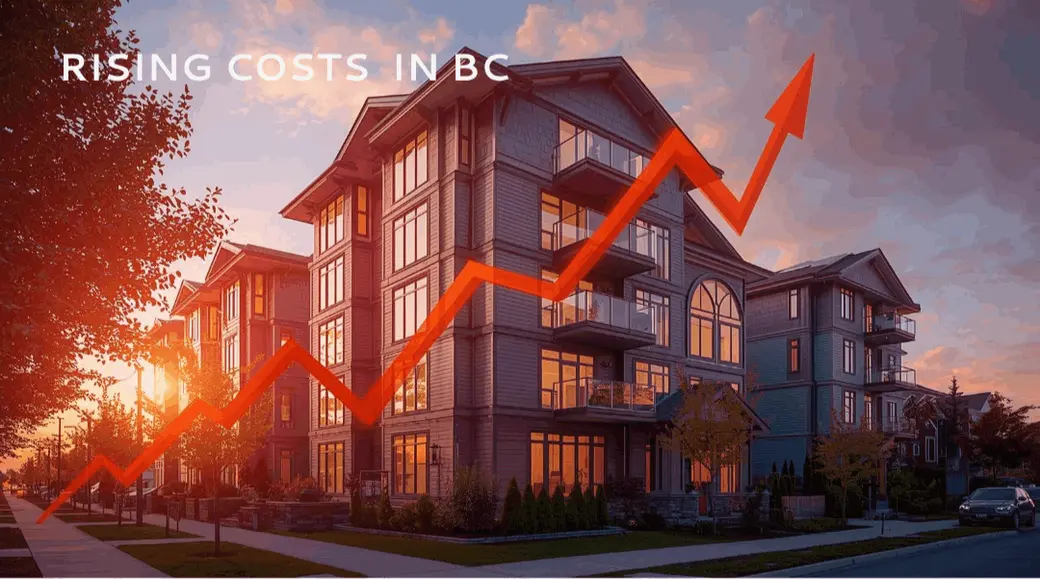
Why Rising Costs Are Quietly Reshaping the Housing Market
If it feels like everything is getting more expensive lately, you're not imagining it.
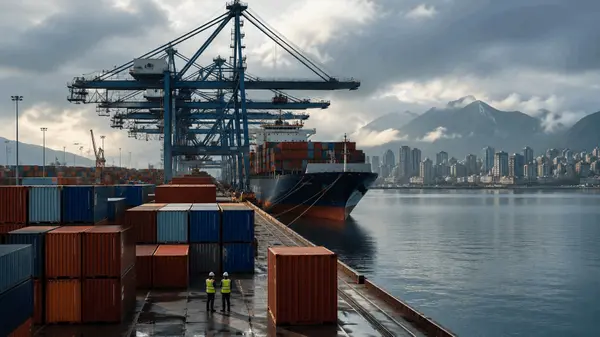
From fuel to groceries to construction, we're seeing rising costs across multiple areas of the economy.
And while these changes may seem separate, they are all connected — especially when it comes to housing.
Costs Don't Stay in One Place
One of the most important things to understand about the housing market is this:
When underlying costs increase, they don't disappear — they get passed along.
What's Driving These Cost Increases
Right now, we're seeing pressure from multiple directions:
- Rising fuel costs impacting transportation and materials
- Increased grocery and general living costs affecting labour expectations
- Carbon-related costs influencing energy, logistics, and production
- Additional taxes and fees, including PST applied to professional services in BC
Key Dynamic
Each of these may seem small individually — but together, they create a compounding effect.
How This Connects to Housing
Housing is not insulated from these changes.
In fact, it's directly affected.
The cost of building a home includes:
- materials
- transportation
- labour
- consultants and professional services
- approvals and timelines
When costs increase across these areas, the result is simple:
The "Invisible" Impact on Buyers
Most buyers only see the final price of a home.
What they don't see is everything that went into creating that number.
These behind-the-scenes cost increases are one of the reasons affordability can feel worse — even when market activity hasn't dramatically changed.
Why This Matters Right Now
We're in a period where multiple cost layers are shifting at the same time.
That includes:
- energy and fuel
- taxation on services
- broader economic pressures
Individually, these may not seem significant.
But collectively, they influence:
- what projects move forward
- how much housing gets built
- and what it ultimately costs to buy or renovate
Looking at Real Estate Differently
When I evaluate a property, I'm not just looking at what it is today.
I'm also considering:
- what it would cost to build or replace
- what it would take to renovate
- and whether those numbers still make sense in the current environment
Because those underlying costs are constantly shifting.
Final Thought
Housing affordability isn't just driven by demand or interest rates.
It's shaped by a much broader cost structure — one that most people don't see.
And right now, that cost structure is moving.
where prices may be heading — and how to make more informed real estate decisions.
About Debbie Evans
I'm Debbie Evans with eXp Realty, serving the North Shore & Vancouver markets.
With over 35 years of experience in real estate, construction, and interior design, I help clients evaluate not just properties — but the full picture behind them, including planning, approvals, and long-term value.
This content is for informational purposes only and does not constitute legal, financial, or investment advice. Market conditions vary and are subject to change. Always consult appropriate professionals regarding your specific situation.
Categories
- All Blogs (97)
- aboriginal title ruling (2)
- bc housing market (23)
- bc real estate (55)
- Bill C-15 (1)
- build canada homes (8)
- Buyers Guide (4)
- canada strong fund (3)
- Canada-U.S. Trade (2)
- canadian real estate (15)
- Climate Change (2)
- Design & Build (4)
- Dundarave West Vancouver (1)
- Equity Growth (1)
- freehold (1)
- Home Buying Tips (1)
- housing policy (1)
- land claims (2)
- Land Claims / BC Real Estate (1)
- leasehold (1)
- local news (1)
- Lower Lonsdale (2)
- Market & Policy Analysis (1)
- Market Commentary (6)
- market insights (23)
- Multigenerational Living (2)
- North Vancouver Real Estate (19)
- open house (1)
- Open House Security (1)
- presale (1)
- real estate insights (7)
- Real Estate Market & Housing (2)
- Squamish Market Update (7)
- squamish real estate (8)
- squamish update (3)
- Vancouver Real Estate (17)
- West Vancouver Living (15)
- West Vancouver Real Estate (26)
- Whistler Market Update (4)
Recent Posts





Have a Question? Let’s Talk. I’m Here to Help.

North Shore & Vancouver Realtor License ID: 175378
+1(778) 875-4934 | debbie.evans@exprealty.com