
At a Time of Housing Urgency, Is Adding 7% PST to Pre-Construction Costs Moving Us Forward?
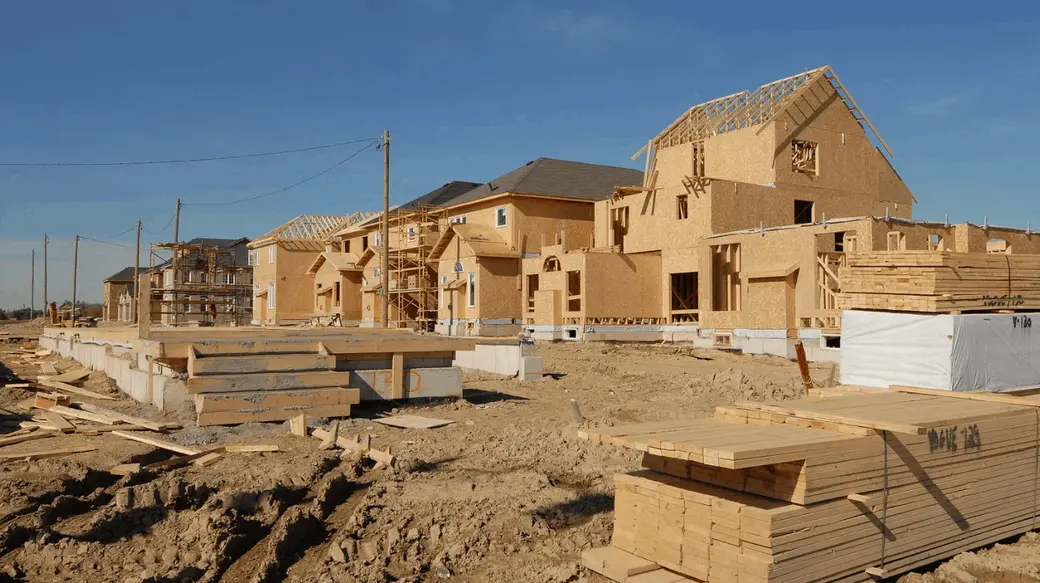
At a Time of Housing Urgency, Is Adding 7% PST to Pre-Construction Costs Moving Us Forward?
Watch: What this new PST change means for housing costs in BC
Where the 7% Applies
The recent expansion of PST to certain professional services applies to architectural and engineering services that are foundational to development projects.
These services are required before a development permit is issued, before a building permit is approved, before construction financing is secured, and before any revenue is generated.
The practical effect is straightforward: it adds 7% to specific professional services engaged at the earliest phase of a project.
Strategic Insight
Market Implication
Early-stage cost increases shift risk profiles across the entire development pipeline.
Industry Impact
Architectural and engineering services — the backbone of permitting and approvals — are now subject to additional tax precisely when projects carry the highest capital exposure.
Policy Consideration
There is currently no targeted offset that directly reduces PST applied to architectural and engineering services required for residential development.
The Timing of Cost Matters
Development projects already require significant professional coordination and compliance work before ground is broken.
Architects and engineers prepare drawings, coordinate systems, respond to municipal review comments, and revise submissions as required. This work is capital-intensive and paid upfront.
The Budget Reality Inside a Project
From experience working on residential projects, I have seen how quickly early-stage costs accumulate.
When additional cost is introduced at the beginning of a project, it does not disappear. It flows through the life of the development and influences where trade-offs ultimately occur.
Industry Response and Advocacy
I recently met with Marc Paquette, District Manager with the Canadian Federation of Independent Business, to discuss how CFIB is working with small businesses and professional groups across the province on this issue.
CFIB is currently gathering support for a petition with a goal of 10,000 signatures from business owners, professionals, and members of the public across British Columbia.
Contact & Further Information
Connect with CFIB on the PST Petition
Individuals who wish to discuss the issue further or learn more about the petition are encouraged to reach out directly:
Marc Paquette
District Manager, Canadian Federation of Independent Business
Industry organizations are also raising concerns about the broader economic impact of the 2026–27 provincial budget. The Greater Vancouver Board of Trade recently issued a “D” grade for the budget, citing rising taxes, increasing debt, and growing pressure on business competitiveness across British Columbia.
Industry reaction to B.C. Budget 2026:
If you support reducing additional cost pressures on housing development and small businesses in British Columbia, you can review and sign the CFIB petition below.
Review & Sign the CFIB PST PetitionThis article is intended as professional industry commentary for informational purposes only. It does not constitute legal, financial, or tax advice.
Categories
- All Blogs (97)
- aboriginal title ruling (2)
- bc housing market (23)
- bc real estate (55)
- Bill C-15 (1)
- build canada homes (8)
- Buyers Guide (4)
- canada strong fund (3)
- Canada-U.S. Trade (2)
- canadian real estate (15)
- Climate Change (2)
- Design & Build (4)
- Dundarave West Vancouver (1)
- Equity Growth (1)
- freehold (1)
- Home Buying Tips (1)
- housing policy (1)
- land claims (2)
- Land Claims / BC Real Estate (1)
- leasehold (1)
- local news (1)
- Lower Lonsdale (2)
- Market & Policy Analysis (1)
- Market Commentary (6)
- market insights (23)
- Multigenerational Living (2)
- North Vancouver Real Estate (19)
- open house (1)
- Open House Security (1)
- presale (1)
- real estate insights (7)
- Real Estate Market & Housing (2)
- Squamish Market Update (7)
- squamish real estate (8)
- squamish update (3)
- Vancouver Real Estate (17)
- West Vancouver Living (15)
- West Vancouver Real Estate (26)
- Whistler Market Update (4)
Recent Posts










Have a Question? Let’s Talk. I’m Here to Help.

North Shore & Vancouver Realtor License ID: 175378
+1(778) 875-4934 | debbie.evans@exprealty.com