
From Promises to Policy: What B.C.’s Election Means for Housing, Real Estate and Energy
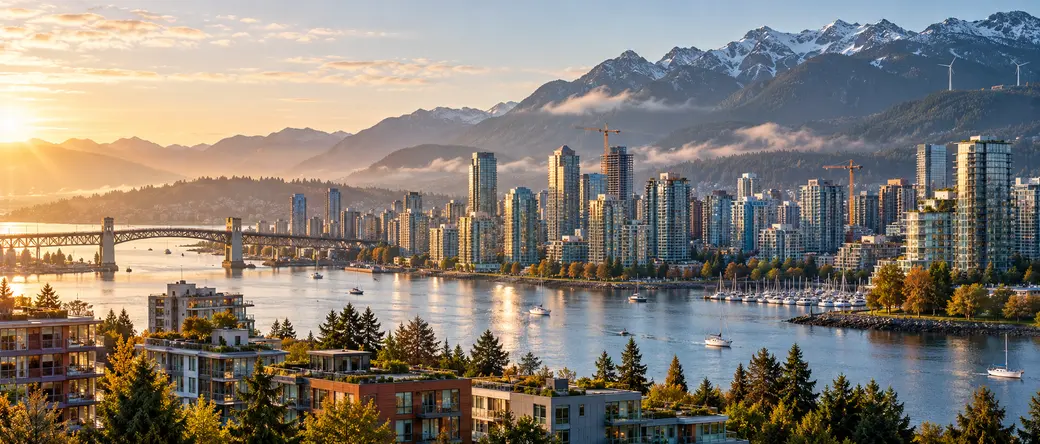
From Promises to Policy: What B.C.'s Election Means for Housing, Real Estate and Energy
Why this matters: British Columbia is changing governments, and the next few months will shape approvals, construction costs, investment decisions and, eventually, what is available to buy and rent. I am hopeful about what cooperation between governments could unlock, and I have separated four things: what is confirmed, what was promised in the campaign, what has become law (nothing yet), and my own assessment of what could follow.
Information current as of October 25, 2026. Election results are from the initial count and remain preliminary until Elections BC completes its final count.
What happened, and what happens next
On October 24, the BC Conservatives, led by interim leader Lorne Doerkson, won a majority in a snap election called by Premier David Eby almost two years early. Provisional results reported by Reuters show the Conservatives with 64 of 93 seats, the NDP 27 and the Greens 2. It is the first Conservative government since 1928, and Eby has said he will step down as NDP leader.
These numbers are not final. According to BC Ballot's summary of the Elections BC schedule, mail-in and absentee ballots are counted November 6 to 10 and the writs are returned November 18. Five ridings were within 250 votes, but a majority would remain even if all of them flipped.
Doerkson is premier-designate. To my knowledge he has not been sworn in, so nothing in his platform, Lorne Doerkson's Plan for a Stronger BC (page numbers below refer to it), is law. The party's constitution bars an interim leader from seeking the permanent job.
Housing approvals, charges and construction costs
The platform promises to cut "construction taxes and charges," approve homes "in months, not years," and overhaul the step code (pp. 5–6). It gives no dollar figures and does not say which charges are unnecessary. Development cost charges are set by municipalities and regional districts, so real change would likely need provincial legislation or funding.
My assessment: from my years in design and construction, a project works or it doesn't based on land, hard costs, financing and fees, and time sits under all of them, because every extra month of approvals is another month of interest. Certainty can matter as much as any single fee.
Density, municipal authority and building requirements
What is clear: density decisions should rest with local governments and residents, with municipalities held to Official Community Plans that carry "appropriate density targets" (p. 6).
What is unclear: the platform does not mention Bill 44 or the small-scale multi-unit housing rules by name, whether targets are minimums, or how they would be enforced. Those rules remain law until the legislature amends them, and
Buyers, sellers and rental housing
I would not predict an automatic price increase or an immediate improvement in affordability. New supply takes years, and interest rates, tariffs and incomes matter as much. Where policy could help is supply: lower costs and faster approvals can make more projects viable, especially purpose-built rental.
On rental, the platform says little. The BC Non-Profit Housing Association's analysis notes it lacks comparable commitments for non-profit, co-op or Indigenous housing. One renovation item: a provincial credit matching the federal multigenerational renovation credit (p. 7); rules and dates are not published.
Business investment and taxes
- PST: permanently cancel the PST expansion to professional services (already paused before the election), and exempt machinery, equipment and business software for three years (pp. 13–14).
- Small business: a First Job Tax Credit and an indexed Employer Health Tax exemption (pp. 14, 27–28).
The platform projects more than $2.6 billion in added revenue over three years. That is a party forecast, not an established outcome. For design, consulting and other professional-services firms, the PST decision is the one I will watch most closely.
LNG, gas pipelines and the oil pipeline are three different things
- LNG facilities cool natural gas for export by ship. LNG Canada reached a final investment decision on its roughly $33-billion Phase 2 in late September. Woodfibre LNG near Squamish is more than 65 per cent complete, according to the company. Ksi Lisims had permits and about 4 million tonnes a year of sales agreements as of May; I found no final investment decision since.
- Natural gas pipelines deliver gas to those plants. The platform commits to approve LNG projects and their pipelines (p. 21) and to double gas production by 2032, claiming "tens of thousands of jobs" (p. 15), a campaign projection.
- The Alberta oil pipeline, Pacific Link, is separate: roughly one million barrels a day of heavy crude to a proposed terminal at Roberts Bank in Delta. It was designated a project of national interest on October 1, with Trans Mountain Corp. to build and operate it. The terminal is on the south coast, so the north coast tanker ban is not affected. The platform does not address Pacific Link, but Doerkson commented on it on October 1 (see below).
What still has to happen for major energy projects
Naming a project is not building it. Four steps matter:
- Approvals: a federal Major Projects Office process for Pacific Link and provincial permits for gas and LNG. Alberta's stated goal is construction permissions as early as September 1, 2027.
- Indigenous consultation and participation: the platform promises to honour existing First Nations agreements (pp. 22, 47) while also promising to repeal DRIPA (p. 46). Ownership offers exist: five First Nations can invest up to $1 billion in an LNG Canada Phase 2 storage tank, and at least 10 per cent of Pacific Link is to be offered to Indigenous communities.
- Financing and commercial commitments: funding and signed customers; I found no shipper commitments published for Pacific Link.
- Construction and jobs: real only once the first three are in place.
The opportunity: governments working together
This is where I am most hopeful. Most of the projects above need Victoria, Ottawa and Alberta together. Pacific Link was announced jointly by Canada and Alberta and will likely depend on British Columbia for permits and consultation.
What is on the record. Premier Danielle Smith and Prime Minister Mark Carney each congratulated Doerkson and said they look forward to working with him. On October 1, Doerkson told reporters that "protecting our coast and building our economy are not opposites" and that saying no to nation-building projects is "un-Canadian," though he also said he was concerned about simply opening up the northern tanker ban.
The platform adds practical commitments: reduce trade and labour barriers within Canada (p. 27), seek B.C.'s fair share of national infrastructure investment (p. 48), put softwood lumber first in every negotiation with the U.S. (p. 19), and appoint a B.C. representative in Washington alongside several other provinces (p. 49). It sets out no formal framework with Alberta or Ottawa.
My perspective. A B.C. government willing to sit down with Ottawa and Alberta and settle practical questions, such as permitting timelines, shared infrastructure, Indigenous participation and who pays for what, could shorten the distance between announcement and construction. I also hope that this cooperation builds momentum toward a more stable trading relationship with the United States. Steadier rules would help businesses and border communities hire, invest and plan. U.S. trade was not a major campaign issue, and it depends mainly on Ottawa and Washington, so I see an opportunity, not a promise.
What this could mean locally
On the initial count, North Shore representation looks mixed between Conservatives, the NDP and the BC Greens. Councils still set zoning, permits and local fees, so provincial changes would reach West Vancouver and North Vancouver projects through them. Woodfibre LNG in Squamish is already under construction.
What this could mean for you
- Buyers: today's rules are the rules. Judge a home on condition, layout and realistic costs.
- Sellers: pricing still follows local comparables, condition and presentation.
- Renovating owners: watch the multigenerational credit and any step code changes before locking in energy specifications.
- Builders and investors: model with today's costs; treat charge relief as upside.
- Business owners: hold major PST and tax decisions until legislation is tabled.
What I will be watching next
- The swearing-in, cabinet, first legislation and the first budget, with implementation dates.
- Approval timelines, final investment decisions and construction starts, including Ksi Lisims and Pacific Link.
BC needs homes built, businesses investing and good projects moving. Promises are not policy until they become legislation with dates attached, but I am cautiously optimistic that clearer, faster, more cooperative processes could help. If you are thinking about buying, selling, or whether a property's renovation potential justifies its price, I would be glad to talk it through with you.
Debbie Evans, REALTOR® — eXp Realty
REALTOR® and Registered Interior Designer serving West Vancouver, North Vancouver, Vancouver, Squamish and Whistler.
WestVanLiving.ca
Frequently asked questions
Is the BC election result final?
Not yet. The 64–27–2 seat count is from the initial count on election night. Elections BC adds mail-in and absentee ballots in a final count scheduled for November 6 to 10, with writs returned November 18, according to a tracker summarizing the Elections BC schedule. Five ridings had margins under 250 votes, but even if all of them flipped, a Conservative majority would remain.
Will development charges and construction costs fall right away?
No. The platform promises to cut "construction taxes and charges" but gives no amounts or dates and does not say which charges are "unnecessary." Development cost charges are set by municipalities and regional districts, so changes will likely need provincial legislation or funding. Until that is tabled and in force, today's charges apply to projects in permitting.
Does the new government change the Bill 44 multiplex rules?
Not by name. The platform says local governments and residents should decide where density goes and that municipalities should follow their Official Community Plans, but it does not mention the small-scale multi-unit housing rules. Those rules stay in force until the legislature amends them, and municipal bylaws remain in place unless councils change them.
Is the Alberta oil pipeline the same thing as LNG?
No. LNG facilities such as LNG Canada and Woodfibre cool natural gas for export by ship, and natural gas pipelines feed those plants. Pacific Link is a proposed oil pipeline carrying about one million barrels a day of heavy crude from Alberta to a proposed terminal at Roberts Bank in Delta. Each has its own approvals, owners, customers and timelines.
What does the platform propose for business taxes, and does it help professional-services firms?
The platform promises to permanently cancel the PST expansion to professional services, which the NDP paused before the election, exempt machinery, equipment and business software from PST for three years, and create a First Job Tax Credit. It also promises a tax-reform panel within 180 days. None of this is law yet, and the platform's revenue forecasts are party projections.
Sources
- Reuters (via BOE Report), "Conservative party wins first election in nearly a century in British Columbia", October 25, 2026.
- CTV News Vancouver, election live coverage, October 24–25, 2026.
- BC Ballot, results tracker using Elections BC data, count as of October 25, 2026, 1:49 a.m. PT.
- The Narwhal, "B.C.'s Conservative party just won a majority", October 24, 2026.
- Conservative Party of BC, Lorne Doerkson's Plan for a Stronger BC, October 2026.
- BC Non-Profit Housing Association, 2026 Provincial Election Platform Analysis, October 2026.
- Prime Minister of Canada, LNG Canada Phase 2 news release, September 29, 2026.
- Major Projects Office, LNG Canada Phase 2, Government of Canada, viewed October 25, 2026.
- Woodfibre LNG, Squamish Nation Chairperson tours site, June 29, 2026.
- Natural Gas Intelligence, Ksi Lisims LNG update, May 7, 2026.
- The Canadian Press, "A timeline for Pacific Link", October 1, 2026.
- Government of Alberta, Pacific Link, viewed October 25, 2026.
- Stikeman Elliott, new West Coast oil pipeline path forward, July 2026.
- Reuters (via BOE Report), "Canada, Alberta announce new west coast oil pipeline", July 2, 2026.
- BNN Bloomberg, "Conservatives win B.C. majority. Eby resigns. How a historic night unfolded.", October 25, 2026.
- Daily Hive, Pacific Link national-priority coverage, October 1, 2026.
This article is general information based on sources available on October 25, 2026. It is not legal, tax or financial advice and does not endorse any party. Campaign commitments are not law, and details may change as results are finalized and legislation is introduced.
Categories
- All Blogs (107)
- aboriginal title ruling (2)
- B.C. Policy (2)
- BC Election (2)
- bc housing market (26)
- bc real estate (60)
- Bill C-15 (1)
- build canada homes (11)
- Buyers Guide (4)
- canada strong fund (4)
- Canada-U.S. Trade (2)
- canadian real estate (17)
- Canadian Real Estate & Housing (2)
- Climate Change (2)
- Cost of Living (2)
- Design & Build (4)
- Dundarave West Vancouver (1)
- Equity Growth (1)
- Federal Policy (1)
- freehold (1)
- Home Buying (1)
- Home Buying Tips (1)
- Household Debt (1)
- housing policy (2)
- land claims (2)
- Land Claims / BC Real Estate (1)
- leasehold (1)
- local news (1)
- Lower Lonsdale (2)
- Market & Policy Analysis (1)
- Market Commentary (6)
- market insights (23)
- Market Intelligence (1)
- Mortgage Delinquencies (1)
- Mortgage Renewals (1)
- Multigenerational Living (2)
- North Vancouver Real Estate (19)
- open house (1)
- Open House Security (1)
- presale (1)
- Provincial Election (1)
- real estate insights (7)
- Real Estate Market & Housing (2)
- renovation (1)
- Squamish Market Update (7)
- squamish real estate (8)
- squamish update (3)
- Vancouver Real Estate (17)
- West Vancouver Living (15)
- West Vancouver Real Estate (26)
- Whistler Market Update (4)
Recent Posts







Have a Question? Let’s Talk. I’m Here to Help.

North Shore & Vancouver Realtor License ID: 175378
+1(778) 875-4934 | debbie.evans@exprealty.com