BC Election 2026: What Housing Promises Could Mean for North Shore Homeowners
BC Election 2026: What Housing Promises Could Mean for North Shore Homeowners
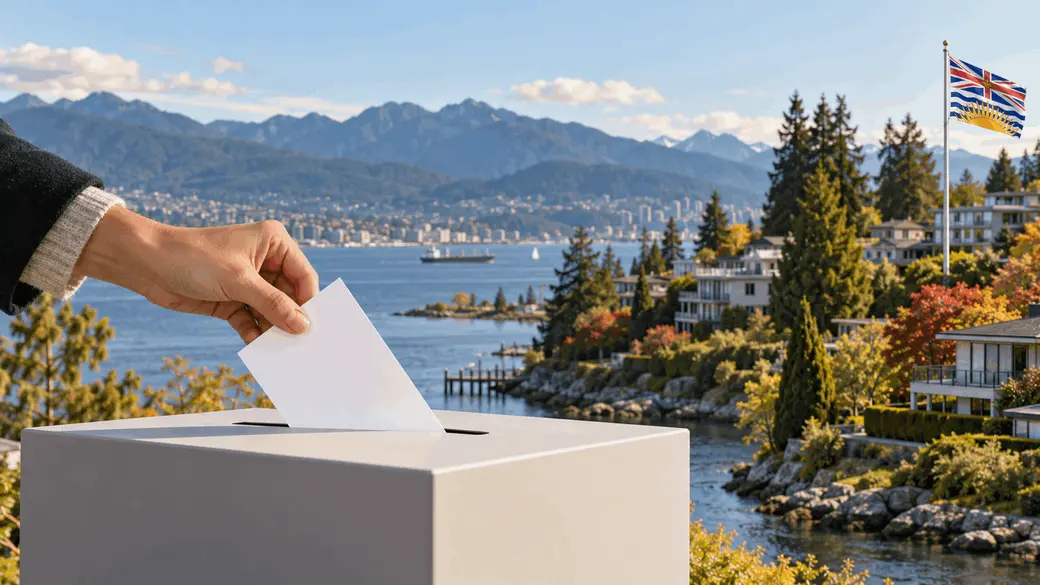
British Columbians vote on Saturday, October 24, in an election Premier David Eby called on September 22. Housing is one of the main issues, but a campaign promise is not a rule that applies to your home today. This guide separates what each party has proposed from what is law now, then looks at the proposals through the questions I ask in my work: what does it cost, can it realistically be built, and does it work for the people who will live there?
My perspective comes from nearly 40 years in interior design, construction and renovation, alongside my work as a REALTOR® on the North Shore. Updated October 19, 2026.
For the Record
This article does not endorse any party or candidate. It summarizes public announcements and news reporting as of October 19, 2026. Platforms can change before voting day, so confirm the details that matter to you with each party directly.
What the Parties Have Proposed
Before the proposals, here is what is already in place, so you can see what would actually change.
What Is Law Today?
- Speculation and Vacancy Tax: in force in designated areas. For 2026 the rate is 1% for Canadian citizens and permanent residents who are not untaxed worldwide earners, and 3% for foreign owners and untaxed worldwide earners. The foreign-owner rate is scheduled to rise to 4% in 2027. Exemptions apply, including for principal residences and qualifying rentals.
- Property Tax Deferment: for taxes deferred in 2026 and later, both the Regular and Families with Children programs charge prime plus 2%, compounded monthly.
- Unsold Condo Tax: does not exist. It is a proposal.
- Vacancy control: not in place in BC today. A Green bill to introduce it did not pass in 2025.
BC NDP
The NDP proposes a new Unsold Condo Tax on large developer-owned finished condominiums that remain vacant and unsold for more than a year. As reported by The Canadian Press, it would start at 2% and rise by one percentage point for each additional year a unit stays unsold. Early reporting noted that the party had not yet outlined exemptions or a maximum rate.
The party also proposes raising the existing Speculation and Vacancy Tax to 2% for domestic owners and 5% for foreign owners. These are proposed changes to an existing tax. They are not rates that automatically apply to every second property.
BC Conservatives
Interim leader Lorne Doerkson has pledged no new taxes, and the party has also promised an income tax reduction and a reversal of the 2026 changes to the Property Tax Deferment Program. Its full platform, released October 18, commits to faster home approvals, a simplified and harmonized building code, a rework of the Energy Step Code and lower construction taxes and charges. At the October 14 leaders’ debate, Mr. Doerkson was reported to have said the party would keep the Speculation and Vacancy Tax and the foreign buyers tax in place.
BC Greens
Led by Emily Lowan, the Greens propose introducing vacancy control, which ties allowable rent increases to the rental unit rather than the tenant, and ending blanket pet bans in rentals. They also propose restarting the Community Housing Fund and a target of building and protecting 26,000 affordable, non-market homes each year. That wording includes preserving existing housing. It does not mean constructing 26,000 new homes annually.
CentreBC
CentreBC proposes doubling BC Builds to 20,000 below-market homes by 2031. By January 1, 2028, it would also set provincial approval standards of six months for rezonings and eight weeks for building permits, with fees refunded when those deadlines are missed.
The Point Worth Understanding
These proposals are different kinds of policy: taxes on developer inventory, taxes on second properties, rental rules, approval timelines and publicly funded housing. A headline that mixes them together is easy to misread. Ask which tool is being proposed, who it applies to, and when it would start.
For Homeowners: What Can You Actually Do With Your Property?
Density is often discussed as a number: how many homes can fit on a lot? From a design and construction perspective, that is only the beginning.
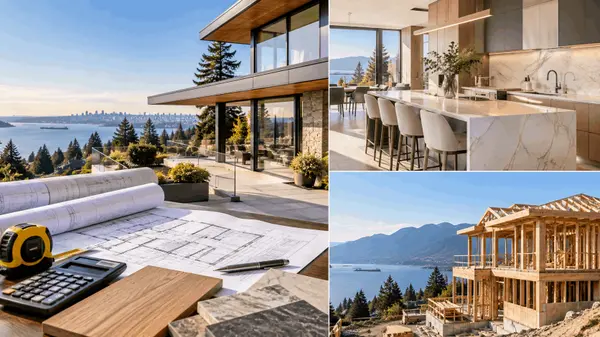
Before placing a value on a property’s potential, I would want to understand its dimensions, slope, access, servicing, existing structure and the requirements that apply to it. Then I would look at a realistic design and construction budget. A concept that looks attractive on paper still has to work financially and functionally. More permitted units do not automatically make a profitable redevelopment.
Multiplex zoning is part of the broader discussion about property potential in Metro Vancouver. The election adds one more reason to separate what is permitted today from what a party proposes to change.
For Anyone Planning Construction: Faster Approvals Need Practical Detail
Approval delays matter to owners and builders. But when a party promises faster permits, I want to know which projects qualify and what counts as a complete application.
The NDP’s proposed Small Builder Permit Guarantee, announced October 18, is a useful example. It would set a 30-day deadline for completed applications on qualifying residential projects of up to six units that fit official community plans in large municipalities. CentreBC’s proposed standards, noted above, apply to rezonings and building permits province-wide. The Conservatives have committed to approving homes faster but, in the material I reviewed, with less specific timelines.
Important Distinction
A permit deadline typically starts when an application is complete. In my experience, coordinated drawings, a clear scope and a thorough understanding of the site are what make an application complete. A faster process could help, but it cannot replace that preparation.
For Condo Buyers: Separate the Different Housing Proposals
There are several conversations about unsold condos, and they should be kept distinct.
- A tax on unsold developer inventory. This is the NDP’s proposed Unsold Condo Tax. It targets finished, unsold units held by developers.
- A government program to acquire or convert units. A government acquisition or conversion program is a separate policy tool from a tax on unsold developer inventory.
- Foreign buyers and long-term rental commitments. Proposals involving foreign buyers and long-term rental commitments need to be assessed separately, including their eligibility rules and implementation details.
Check current program details before relying on a housing announcement. For an individual condo purchase, I would still begin with the building, the unit, the price and the strata documents. A housing announcement cannot answer those property-specific questions.
For Second-Property Owners: Check Eligibility Before the Headline Rate
Owning a second property does not automatically mean you owe Speculation and Vacancy Tax. The tax applies in designated areas, which include Metro Vancouver, the Capital Regional District and 26 other municipalities. The Province identifies principal residences, qualifying rentals and other circumstances among the exemptions, and your property’s location, use and ownership all matter. Review the Province of BC’s Speculation and Vacancy Tax guidance and current rates for your situation.
The practical question is whether a proposed change would affect your particular property, not simply whether a higher percentage appears in a campaign announcement.
For Seniors: Compare Staying, Adapting and Moving
The Property Tax Deferment Program deserves attention because financing terms can change the cost of remaining in a home. Eligibility requirements did not change in 2026, but the interest terms did. According to the Province, taxes deferred in 2025 and earlier carried simple interest: prime minus 2% under the Regular Program and prime under the Families with Children Program. For taxes deferred in 2026 and later, both programs charge prime plus 2%, compounded monthly. The Conservatives have promised to reverse that change.
The larger housing decision involves more than property taxes. Can the home support comfortable daily living? Could a renovation improve access or create main-floor living? Would moving reduce maintenance while keeping you close to family, services and your community?
These are questions I approach through both real estate and design. The most useful comparison includes the cost of adapting your existing home, the cost of moving and the ongoing expenses of each option.
For Renters: Where the Proposals Differ
Renters and landlords will notice the clearest differences in the Green platform. Vacancy control would change how rent increases apply between tenants, which matters when a unit turns over. The Greens introduced a vacancy control bill in 2025 that did not pass. Whether any version passes depends on the make-up of the next legislature.
For Buyers and Sellers: Keep the Local Market in View
An election is one influence on a housing decision. It does not replace an assessment of competing listings, recent sales, financing or property condition. For a current purchase or listing decision, I would use the latest neighbourhood and property-type data, including competing listings and recent sales. If financing is part of your thinking, my article on what buyers get wrong about tariffs and interest rates is a useful companion.
For buyers, my focus is whether the property fits your needs and budget. For sellers, it is how your home compares with the alternatives buyers can choose today.
What I Will Be Watching After the Election
The next step is to follow which commitments become legislation, how programs are funded, what exemptions apply and when implementation begins. My question throughout will be whether a policy makes it easier to deliver housing people can afford and use, including homes for young adults, families, renters, people planning retirement and households who want to live closer together.
Frequently Asked Questions
Short answers to common questions about the housing proposals in this election. Each answer reflects public announcements as of October 19, 2026.
When is the 2026 BC provincial election?
The election is on Saturday, October 24, 2026. Premier David Eby called it on September 22. This article covers the housing proposals of the BC NDP, the BC Conservatives, the BC Greens and CentreBC. Elections BC is the official source for voting information.
Would the proposed Unsold Condo Tax apply to my condo?
As announced, the NDP’s proposed tax would apply to large developer-owned finished condominiums that remain vacant and unsold for more than a year, starting at 2% and rising by one percentage point each additional year. It is described as a tax on developer inventory, not on owners who live in or rent out their homes. It remains a proposal, and early reporting noted that exemptions and a maximum rate had not been outlined.
Does the Speculation and Vacancy Tax apply to every second property?
No. The tax applies only in designated areas, and the Province lists exemptions that include principal residences and qualifying rentals. Whether it applies to you depends on where the property is, how it is used and who owns it. The NDP has proposed raising the rates to 2% for domestic owners and 5% for foreign owners, but that is a proposed change, not current law. Current rates are on the Province’s website.
What changed in the Property Tax Deferment Program?
Eligibility did not change, but the interest terms on taxes deferred beginning in 2026 did. Under the Regular Program, the rate moved from prime minus 2% with simple interest to prime plus 2%, compounded monthly. The Families with Children Program moved from prime with simple interest to the same prime plus 2% compounded monthly. The Conservatives have promised to reverse the change. If you are considering deferral, speak with your financial advisor about how the terms affect your situation.
What is vacancy control?
Vacancy control ties the amount a rent can increase to the rental unit rather than to the tenant. That limits how much a landlord can raise the rent when one tenant moves out and another moves in. The BC Greens propose introducing it in BC.
Would faster permit timelines help me renovate or build?
They could, depending on the project and how the rules are written. The NDP’s proposed 30-day guarantee would apply to completed applications for qualifying projects of up to six units in large municipalities, and CentreBC proposes province-wide standards from 2028. A deadline does not replace preparation: coordinated drawings, a clear scope and a good understanding of the site are what make an application ready.
How is the Unsold Condo Tax different from the condo conversion program?
The proposed Unsold Condo Tax is a charge on developers who hold finished, unsold units. The condo conversion program is a separate government initiative involving the acquisition and conversion of units. They are different policy tools aimed at related problems.
Should the election change when I buy or sell?
The election is one factor among many. Most proposals discussed here would require legislation, funding and implementation before they affect a transaction, so the property, the price, your financing and your timeline usually matter more. I would start with the latest local data for your neighbourhood and property type.
Sources
- BC NDP — 2026 Platform: Making Housing More Affordable, accessed October 19, 2026.
- BC Conservatives — Our Platform: Get BC Building, accessed October 19, 2026.
- BC Greens — Our Plan, accessed October 19, 2026.
- CentreBC — 2026 Platform: Economy & Affordability, accessed October 19, 2026.
- Province of British Columbia — Speculation and Vacancy Tax rates, accessed October 19, 2026.
- Province of British Columbia — Speculation and Vacancy Tax, accessed October 19, 2026.
- Province of British Columbia — Interest and fees for property tax deferment, accessed October 19, 2026.
- Elections BC — elections.bc.ca, accessed October 19, 2026.
- The Canadian Press (via CFJC Today) — B.C.’s Eby says NDP would tax new, unsold condos, raise speculation, vacancy fees, September 25, 2026.
- The Canadian Press (via CFJC Today) — Conservatives promise no new taxes if elected on October 24, September 27, 2026.
- Daily Hive — Eby’s BC NDP promises new tax on unsold condos, higher vacancy tax, September 2026.
- Daily Hive — BC Conservatives promise to reverse property tax deferment changes, 2026.
- Daily Hive — Emily Lowan’s BC Greens promise to bring back vacancy control, September 29, 2026.
- BC Ballot — BC NDP vs Conservative platforms 2026: Promises by issue, accessed October 19, 2026 (October 14 leaders’ debate comment).
Debbie Evans | REALTOR® & Registered Interior Designer
eXp Realty | West Vancouver, North Vancouver, Vancouver, Squamish & Whistler
If you are considering buying, selling, renovating or assessing a property’s potential on the North Shore, I am happy to look at the options in the context of your home and your plans.
This article is for general information and education only and is not legal, tax or financial advice. Party positions are summarized from public announcements and news reporting as of October 19, 2026 and may change. Proposals are not law until enacted. Confirm tax, program and eligibility details with the Province of British Columbia and a qualified professional before making decisions. West Vancouver Living does not endorse any party or candidate.
Categories
- All Blogs (104)
- aboriginal title ruling (2)
- B.C. Policy (1)
- BC Election (1)
- bc housing market (25)
- bc real estate (57)
- Bill C-15 (1)
- build canada homes (10)
- Buyers Guide (4)
- canada strong fund (4)
- Canada-U.S. Trade (2)
- canadian real estate (16)
- Canadian Real Estate & Housing (1)
- Climate Change (2)
- Cost of Living (2)
- Design & Build (4)
- Dundarave West Vancouver (1)
- Equity Growth (1)
- Federal Policy (1)
- freehold (1)
- Home Buying Tips (1)
- Household Debt (1)
- housing policy (1)
- land claims (2)
- Land Claims / BC Real Estate (1)
- leasehold (1)
- local news (1)
- Lower Lonsdale (2)
- Market & Policy Analysis (1)
- Market Commentary (6)
- market insights (23)
- Market Intelligence (1)
- Mortgage Delinquencies (1)
- Mortgage Renewals (1)
- Multigenerational Living (2)
- North Vancouver Real Estate (19)
- open house (1)
- Open House Security (1)
- presale (1)
- Provincial Election (1)
- real estate insights (7)
- Real Estate Market & Housing (2)
- renovation (1)
- Squamish Market Update (7)
- squamish real estate (8)
- squamish update (3)
- Vancouver Real Estate (17)
- West Vancouver Living (15)
- West Vancouver Real Estate (26)
- Whistler Market Update (4)
Recent Posts






Have a Question? Let’s Talk. I’m Here to Help.

North Shore & Vancouver Realtor License ID: 175378
+1(778) 875-4934 | debbie.evans@exprealty.com