
A Modern Approach: Building a Multigenerational Fourplex
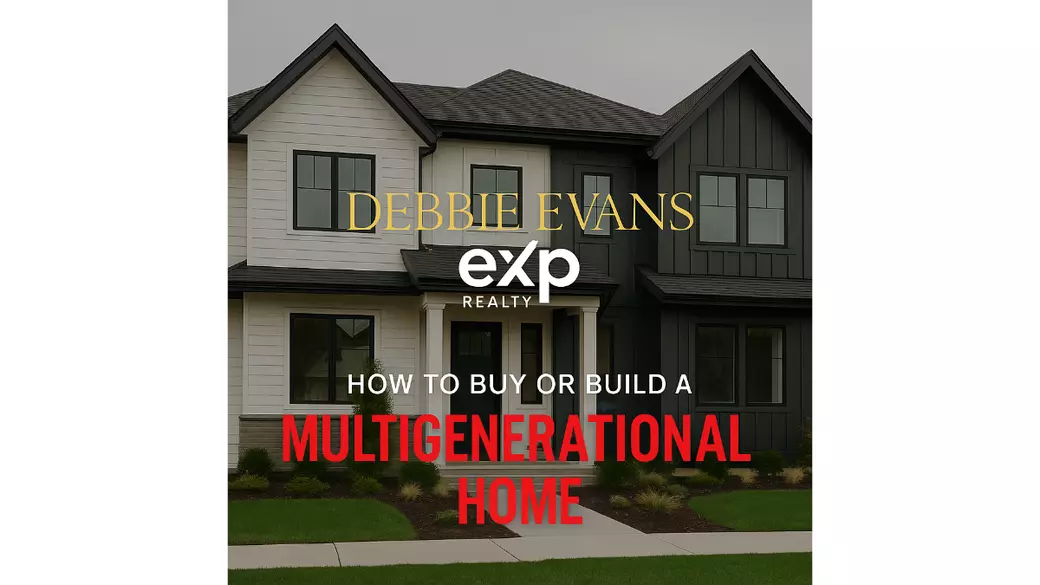
How to Buy or Build a Multigenerational Home That Fits Every Generation
For many homebuyers, multigenerational living used to be a last-resort solution — a way for families to ride out financial challenges or care for aging relatives.
That mindset has changed. A growing number of Canadians are choosing multigenerational living as a *lifestyle upgrade* that brings connection, support, and long-term financial stability.
According to Statistics Canada, the number of homes occupied by three or more generations has risen 45% in the past 20 years. Over half a million children now live with both parents and grandparents.
Rising housing costs, cultural values, and the desire to age in place have made shared living one of the strongest housing trends across the country.
Younger buyers are embracing the idea of pooling resources, and many newcomers to Canada are recreating the family structures common in their home countries.
As psychiatrist Dr. Shimi Kang told HuffPost Canada: “As Canada becomes more multicultural, multigenerational homes are becoming a norm, not just for financial reasons.”
Families gain built-in support for childcare, household management, and emotional wellbeing — and research shows people who live in multigenerational homes tend to be healthier, live longer, and enjoy more financial security.
A Modern Approach: Building a Multigenerational Fourplex
Some families are going a step further by *building* rather than buying.
In this video, experts discuss how purchasing a lot and constructing a **fourplex** can provide multiple private units under one investment — giving every generation independence while sharing long-term equity.
Watch the full video here:
4 generations, 4 homes, 1 lot: Vancouver family builds own private neighborhood
[https://www.youtube.com/watch?v=A0UtKI4xk34&t=537s](https://www.youtube.com/watch?v=A0UtKI4xk34&t=537s)
Building or converting a property into several self-contained suites allows you to combine design flexibility, family privacy, and income potential through future rentals.
For homeowners with vision, this approach turns a family home into a generational asset.
What to Consider Before You Start Shopping
Before you begin your search, sit down as a family and talk through everyone’s goals.
Why are you buying together? Who will live where? What are the must-haves versus nice-to-haves?
Clarifying expectations early will prevent conflict later.
Discuss how expenses and responsibilities will be shared.
Some families focus on caring for elderly parents or young children, while others join forces to afford a better neighbourhood or a larger home.
For example, homeowner Jennifer Durocher told *Today’s Parent* that co-owning with her in-laws allowed both households to live in a family-friendly area that would otherwise have been out of reach.
Be sure to consider long-term issues such as accessibility and future finances.
If some family members are nearing retirement, a home with steep stairs might not suit their needs forever.
Likewise, luxury amenities like pools increase maintenance costs over time.
If you haven’t yet, schedule a dedicated family meeting to talk it all through.
As your REALTOR® and interior designer, I can help you evaluate realistic options and create a plan that supports every generation’s needs.
What to Look For in a Multigenerational Home
Once you’ve set your budget, think about layout and privacy.
The most successful multigenerational homes include spaces for both **connection and solitude**.
Features to consider include:
• Multiple ensuite bathrooms or separate bedroom wings
• A basement or garden suite (accessory dwelling unit or ADU)
• Duplex or triplex layouts with separate entrances
Architect Allison Holden-Pope recommends designing with privacy in mind:
“Having a sense of identity in your own place is still very important,” she says.
If aging in place is a goal, prioritize ground-floor bedrooms and bathrooms or plan to add a separate suite later.
Homeowners may also qualify for Canada’s **Multigenerational Home Renovation Tax Credit**, which helps offset renovation costs for building a secondary suite.
When visiting properties, I can help you evaluate whether a home has the right bones for conversion — and connect you with trusted contractors who understand multigenerational design.
How to Buy a Multigenerational Home
Buying a home with family members can seem complicated, but joint ownership can actually strengthen your mortgage application.
Two common ownership options are:
• **Tenants-in-common**, which allows each owner to hold a different share (for example, two-thirds and one-third).
• **Joint tenancy**, where ownership and liability are shared equally among all parties.
Before applying, have everyone check their credit and debt levels.
If one family member won’t be on the mortgage, outline clearly how they’ll contribute financially.
Also consider tax and estate planning implications — it’s best to consult both an accountant and a lawyer before finalizing your structure.
If circumstances change and one household wants to exit later, refinancing may be required, so building flexibility into your agreement from day one is key.
I can connect you with mortgage specialists and legal professionals who handle co-ownership regularly.
Bottom Line
Multigenerational living is no longer a backup plan — it’s a smart lifestyle and financial strategy that helps families build security and stay connected.
Whether you’re buying a home together, designing a fourplex, or exploring options for aging in place, the right planning and layout can make shared living both comfortable and rewarding.
If you’re thinking about a multigenerational move, let’s talk about your goals, financing, and design possibilities.
I’ll help you find or create a home that fits every generation — beautifully.
Contact
Debbie Evans, REALTOR® | Interior Designer
eXp Realty
Email: debbie.evans@exprealty.com
Phone: 778-875-4934
Categories
- All Blogs (97)
- aboriginal title ruling (2)
- bc housing market (23)
- bc real estate (55)
- Bill C-15 (1)
- build canada homes (8)
- Buyers Guide (4)
- canada strong fund (3)
- Canada-U.S. Trade (2)
- canadian real estate (15)
- Climate Change (2)
- Design & Build (4)
- Dundarave West Vancouver (1)
- Equity Growth (1)
- freehold (1)
- Home Buying Tips (1)
- housing policy (1)
- land claims (2)
- Land Claims / BC Real Estate (1)
- leasehold (1)
- local news (1)
- Lower Lonsdale (2)
- Market & Policy Analysis (1)
- Market Commentary (6)
- market insights (23)
- Multigenerational Living (2)
- North Vancouver Real Estate (19)
- open house (1)
- Open House Security (1)
- presale (1)
- real estate insights (7)
- Real Estate Market & Housing (2)
- Squamish Market Update (7)
- squamish real estate (8)
- squamish update (3)
- Vancouver Real Estate (17)
- West Vancouver Living (15)
- West Vancouver Real Estate (26)
- Whistler Market Update (4)
Recent Posts










Have a Question? Let’s Talk. I’m Here to Help.

North Shore & Vancouver Realtor License ID: 175378
+1(778) 875-4934 | debbie.evans@exprealty.com