
B.C.’s Last Major Refinery Sale: What the Burnaby Deal Means for Fuel, Travel & Real Estate
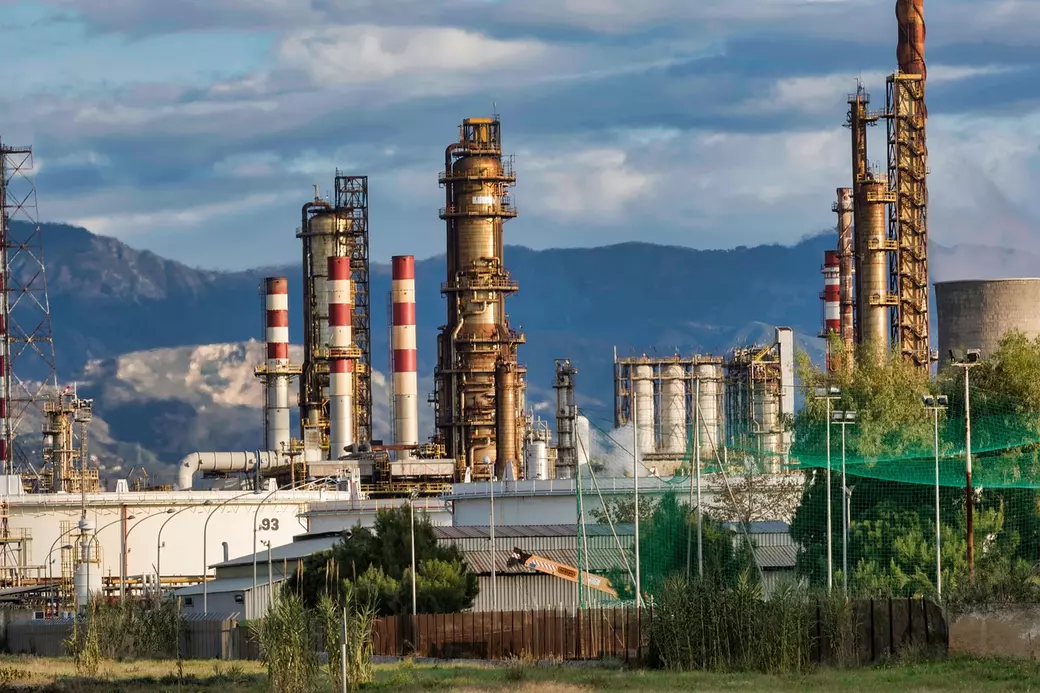
B.C.’s Last Major Refinery Sale: What the Burnaby Deal Means for Fuel, Travel & Real Estate
The only major oil refinery in British Columbia — the Burnaby Refinery near Vancouver — is now under U.S. ownership following the $9.1 billion acquisition of Parkland Corporation by Sunoco.
With approximately 25% of B.C.’s gasoline and 30% of the region’s jet fuel processed there, this transaction is far more than a corporate headline. It could shape fuel prices, construction costs, travel expenses, and long-term housing trends across the province.
Why This Deal Matters
The Burnaby Refinery processes roughly 55,000 barrels per day, serving as a vital supply point for Metro Vancouver and Vancouver International Airport.
Now that the facility falls under American control, questions are emerging around strategic direction — including future investments in renewable fuels, export priorities, and pricing structures.
The federal government approved the sale under the Investment Canada Act, highlighting how significant this deal is to national energy policy and local economic stability.
Fuel, Construction, and Travel Price Implications for B.C.
With refining margins and distribution patterns potentially shifting south of the border, British Columbians could see higher fuel and transportation costs in the months ahead.
Gasoline and diesel increases don’t just affect commuters — they ripple through the construction and development sectors, which rely heavily on fuel for equipment, materials transport, and delivery logistics.
Rising fuel prices can lead to higher building material and freight costs, influencing the price of new housing and renovation projects. Builders already facing labour shortages and high interest rates may feel additional pressure on project budgets, potentially slowing new construction starts.
Travel expenses could also rise if jet fuel pricing changes at Vancouver International Airport, leading airlines to pass costs onto consumers.
Real Estate Market Ripples
Industrial areas such as Burnaby, New Westminster, and Richmond could face both redevelopment potential and environmental oversight if future owners choose to modernize or repurpose refinery lands.
At the same time, higher fuel and construction costs may contribute to upward pressure on housing prices across Metro Vancouver, particularly for newly built homes.
For buyers, the shift could reinforce demand for transit-oriented neighborhoods and well-connected communities closer to employment hubs. For investors, it’s a reminder that energy and infrastructure policies often precede market adjustments in real estate values.
As a REALTOR® watching these shifts closely, I see this as a moment to stay informed and proactive — energy, development, and housing are deeply linked, and change in one sector inevitably influences the others.
The Takeaway
The Burnaby refinery sale marks a turning point for British Columbia’s energy independence and the cost structures tied to it — from construction materials to commuting and travel.
The ripple effects of this $9.1 billion transaction could touch everything from building timelines to buyer affordability and investment strategy.
If you’re planning a move, a new build, or simply want to understand how these shifts might influence property values and project costs, let’s connect.
📞 Call: 778-875-4934
✉️ Email: debbie.evans@exprealty.com
🌐 Visit: WestVanLiving.ca
Sources
-
Sunoco to Buy Canadian Fuel Rival Parkland in $9.1 B Deal – Investopedia
-
Parkland Burnaby Refinery to Fall Under U.S. Control – Ground News
-
Sunoco–Parkland Deal Receives Federal Approval – The Deep Dive
Tags / Categories
B.C. Real Estate News • Energy & Infrastructure • Market Insight • Building Industry • Burnaby
Categories
- All Blogs (103)
- aboriginal title ruling (2)
- B.C. Policy (1)
- bc housing market (24)
- bc real estate (56)
- Bill C-15 (1)
- build canada homes (10)
- Buyers Guide (4)
- canada strong fund (4)
- Canada-U.S. Trade (2)
- canadian real estate (16)
- Canadian Real Estate & Housing (1)
- Climate Change (2)
- Cost of Living (2)
- Design & Build (4)
- Dundarave West Vancouver (1)
- Equity Growth (1)
- Federal Policy (1)
- freehold (1)
- Home Buying Tips (1)
- Household Debt (1)
- housing policy (1)
- land claims (2)
- Land Claims / BC Real Estate (1)
- leasehold (1)
- local news (1)
- Lower Lonsdale (2)
- Market & Policy Analysis (1)
- Market Commentary (6)
- market insights (23)
- Market Intelligence (1)
- Mortgage Delinquencies (1)
- Mortgage Renewals (1)
- Multigenerational Living (2)
- North Vancouver Real Estate (19)
- open house (1)
- Open House Security (1)
- presale (1)
- real estate insights (7)
- Real Estate Market & Housing (2)
- renovation (1)
- Squamish Market Update (7)
- squamish real estate (8)
- squamish update (3)
- Vancouver Real Estate (17)
- West Vancouver Living (15)
- West Vancouver Real Estate (26)
- Whistler Market Update (4)
Recent Posts





Have a Question? Let’s Talk. I’m Here to Help.

North Shore & Vancouver Realtor License ID: 175378
+1(778) 875-4934 | debbie.evans@exprealty.com